Exactly How Artificial Roofing Shingles Take On Snow Plenties and Heat Waves
Homeowners typically see a roofing when it leaks, drops granules into the seamless gutter, or begins to crinkle at the sides. Service providers observe something else first, exactly how a roof manages stress and anxiety gradually. Snow lots, freeze-thaw cycles, wind-driven ice, attic heat build-up, straight summer sunlight, and unexpected temperature level swings all leave ideas. Those ideas appear in cracked tabs, popped bolts, distorted decking, shortened service life, and, in serious situations, structural strain.
That is why artificial roofing roof shingles have actually drawn a lot attention over the last few years. They are frequently marketed for looks, especially when a property owner desires the profile of slate, cedar shake, or other premium materials. However their efficiency story matters just as much. When you are comparing roof covering products for a region that sees both heavy winter storms and punishing summertime warmth, look is only component of the equation.
In markets like the Midwest, and particularly around synthetic roof covering Chicago jobs, the weather condition can transform from subzero wind chills in January to rooftop surface temperatures well above 140 degrees in July. A material that executes beautifully in light environments can battle right here. The much better synthetic roof are designed keeping that reality in mind, though design quality, installation quality, attic room air flow, and structural conditions still figure out whether the roofing flourishes or simply survives.
What "artificial" suggests on a genuine roof
Synthetic roof covering shingles are produced products made to mimic traditional roof products while decreasing several of their weaknesses. Relying on the brand name and product, they might be made from engineered polymers, recycled composites, virgin materials, rubber-plastic blends, or other proprietary formulas. The classification is broad, which is why efficiency can differ more than homeowners expect.
A costs synthetic roof item is not merely "plastic roof covering." That tag misses out on the engineering involved. Good products are developed for influence resistance, UV stability, dimensional consistency, and regulated adaptability. Inferior products can end up being weak in cold weather, soften too much in warmth, fade unevenly, or stop working around securing points. I have actually seen both ends of that spectrum. On one roof covering, an artificial shake line took care of a harsh winter months without splitting. On an additional, lower-grade imitation slate began warping where warmth showed off a neighboring stonework wall.
That difference is one reason the installer matters so much. An experienced artificial roofing contractor recognizes that not all artificial roofing shingles reduced, fasten, and flash similarly. An item can have superb lab information and still underperform if the crew rooms fasteners incorrectly, leaves inadequate ventilation, or ignores supplier temperature level standards during installation.
Snow load is not almost the shingle
When property owners ask whether artificial roofings can "hold snow," the solution needs context. Snow lots is largely an architectural problem prior to it comes to be a roof shingles issue. Roofing system outdoor decking, framing periods, truss design, pitch, and regional code requirements establish how much weight the roof setting up can sustain. The shingle itself is only one layer because system.
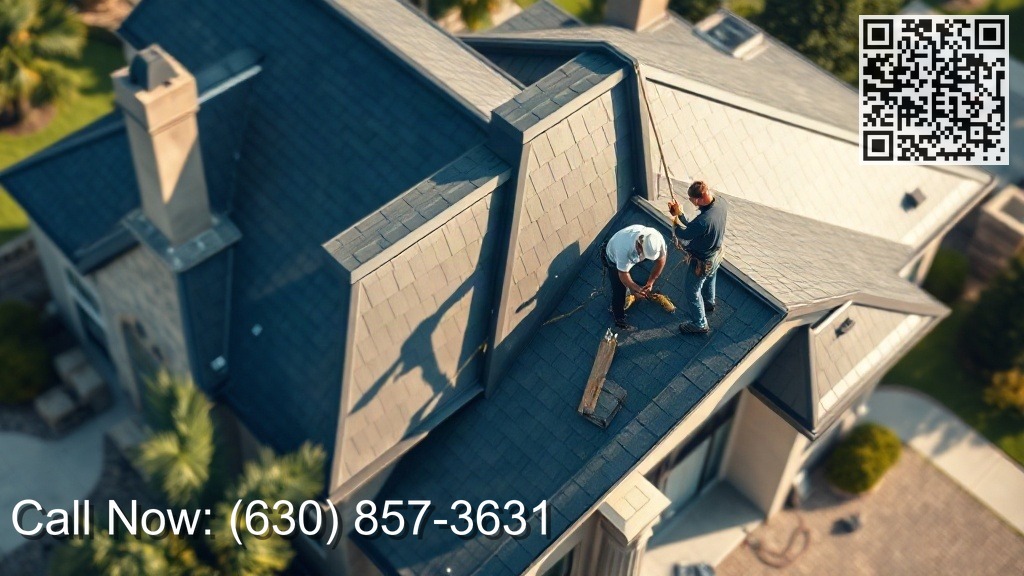
Still, the outer roof covering product issues since it affects how snow behaves and how the assembly reacts. A hefty all-natural slate roof covering begins with a much better dead tons than a light-weight synthetic option. That leaves much less margin when a significant storm drops wet, dense snow. One functional benefit of architectural synthetic roof is weight decrease. A synthetic slate item can deliver the visual depth of quarried rock at a fraction of the weight, which is especially beneficial during artificial roofing substitute on older homes that were not originally framed for true slate.
This matters on customized homes and historic-style homes where the owner desires premium artificial roof or synthetic roof covering for luxury homes without straining the framework with an extremely heavy covering. Lighter roof covering materials do not amazingly make a roof immune to snow troubles, however they can reduce constant lots on the framework year-round.
How snow in fact stresses a roof surface
Snow puts a roofing through numerous kinds of tension at the same time. Weight is the noticeable one, however it is not the only problem. Melting and refreezing around the eaves can develop ice dams. Packed snow can obstruct drainage courses. Temperature level distinctions between attic spaces and roofing surfaces can accelerate thawing in some areas while others stay frozen solid. That irregular cycle drives water under roof shingles and around flashings.
Synthetic roof shingles can do well right here due to the fact that numerous stay more adaptable than typical weak materials in really cold weather. That versatility aids them soak up minor activity without fracturing. On roofs that cycle consistently between daytime melting and nighttime refreezing, that quality is valuable.
The caution is that not every synthetic product deals with chilly similarly. Some lower-end items become rigid when temperature levels dive. Others might withstand cracking yet still permit wetness invasion if installation information are bad. This is why a certified synthetic roof firm pays attention to underlayment option, flashing shifts, ridge vent information, and eave defense. In snow nation, the setting up under the visible roof covering matters nearly as high as the visible roof covering itself.
A roof covering in Naperville or the broader Chicagoland location, for instance, might undergo numerous freeze-thaw swings in a single month. On homes that have sanctuary ceilings, intricate valleys, dormers, and lengthy rain gutter runs, those problems can subject shortcuts rapidly. A reputable synthetic roofing contractor Chicagoland property owners count on will check insulation degrees and attic room airflow before making broad guarantees about winter season performance.
The role of roof pitch and snow shedding
Pitch influences just how much snow accumulates and exactly how swiftly it glides. Steeper roofs tend to lose snow quicker, although appearance, temperature, and sun direct exposure all influence that procedure. Some synthetic roofing tiles have surface area profiles that copy cedar or slate so convincingly that they additionally affect snow retention. That can be great or poor depending upon the design.
If snow launches as well swiftly in large sheets, it can damage rain gutters, landscape design, and access areas. If it sticks as well long https://salvoarchitecturalroofingcontractors.com/terms-of-service/ on a roofing system with known structural constraints, the weight can end up being a problem. The right balance depends on the home. I have actually seen high roofings where snow guards were necessary to manage release, and lower-slope decorative sections where the larger issue was extended melting at the eaves.
This is where real site judgment matters more than pamphlet language. Residential artificial roof covering is not one-size-fits-all. 2 houses on the very same road can need different describing because one has large south-facing roofing system planes over heated space and the various other has actually an aerated attic room with mature shade trees.
Heat waves examine a various collection of properties
Summer penalizes roof covering products in quieter means. As opposed to significant ice build-up or noticeable snowdrifts, you get unrelenting UV exposure, thermal growth, hot attic air, and surface area temperature levels that far surpass the exterior analysis. On a sunny day, a dark roofing can end up being hot enough to soften low-grade materials, speed up aging, and telegraph problems that did not show up in milder conditions.
Well-made synthetic roofing systems are formulated to stand up to UV deterioration and keep dimensional stability under warm. That means they need to not curl, split, or shed shape just because the roof covering cooks for days at once. Better products additionally hold color more regularly, though every roofing discolors rather with time. The question is whether that fading takes place progressively and uniformly, or patchily and prematurely.
Heat waves likewise expose attaching problems. If shingles increase and agreement repeatedly, inadequate nailing patterns or not enough attachment can show up as moving, rattling, or distortion. Experienced artificial roof covering installers comprehend that warm efficiency is not nearly the roof shingles formula. It is also about spacing, fastening, air flow, and whether the roofing system deck is dry, level, and properly prepared prior to installment begins.
Why lightweight can help in both winter season and summer
A lighter roof item reduces static tons in winter months, but it additionally transforms just how staffs handle installation and future maintenance. Artificial roof shingles are frequently much easier to organize and cross the roofing than real slate or concrete floor tile. That can decrease breakage during installation and make repair work less invasive if one area is ever damaged by a dropped limb or serious hail.
In heat, reduced mass does not automatically suggest a cooler roof covering surface. Reflectivity, color, air flow, and setting up layout play larger functions. However lighter items can still profit the home since they position less stress on the structure and often streamline retrofit applications. Throughout a synthetic roof substitute, that can suggest fewer framework adjustments compared with transforming to very heavy conventional materials.
For higher-end homes, this is especially appealing. Several owners want the deepness and texture of slate or hand-split cedar without the structural penalties or upkeep frustrations. That is a vital reason artificial roof for high-end homes has actually obtained traction. It provides the visual aspiration of premium roof covering while remaining useful for modern framework and code expectations.
Ventilation chooses greater than a lot of property owners realize
I have seen roofing system systems criticized for troubles that were actually attic issues. A roofing system can just do so a lot if hot, moist air gets caught below it. In wintertime, inadequate ventilation contributes to irregular melting, ice dams, and condensation. In summer, it drives up deck temperature levels and can age the roof covering from beneath.
Synthetic roof coverings take advantage of balanced intake and exhaust air flow much like other steep-slope systems. If the attic room is under-ventilated, the roofing system might run hotter, which additional thermal tons can reduce life span. If insulation is uneven, cozy interior air might develop isolated melt areas under snowpack, which is just one of the timeless setups for ice dam formation.
A careful artificial roofing system installation normally begins with concerns past the shingle selection itself. How is the attic aired vent? Is the existing outdoor decking sound? Exist signs of moisture staining or mold and mildew? Are bathroom followers wearing down right into the attic room instead of outside? An experienced synthetic roofer asks these inquiries due to the fact that long-term performance relies on the entire assembly, not just the noticeable finish.
Installation information that matter in severe weather
Two roof coverings can make use of the very same product and age really differently as a result of workmanship. Under snow and heat stress and anxiety, small details come to be large problems. Valleys require to relocate water quickly. Flashings around smokeshafts and sidewalls require to remain watertight via growth and contraction. Bolts require appropriate positioning and depth. Starter courses need to stand up to wind uplift. Underlayment requires to fit the climate, particularly in freeze-thaw regions.
The best crews do not rush this work. A synthetic roofing firm with solid field technique will check deck monotony, validate the supplier's fastening pattern, and adhere to temperature-specific handling guidance. Some synthetics reduced easily in amazing climate but end up being more adaptable in straight sunlight. Others need details storage space and hosting so packages do not flaw prior to installment. These are not attractive details, however they separate resilient results from pricey callbacks.
Here are the field information I pay the closest focus to on weather-exposed projects:
- Ice and water security at eaves, valleys, and vulnerable transitions.
- Ventilation layout that matches the home's insulation and roofing geometry.
- Manufacturer-approved fastening patterns for neighborhood wind and climate demands.
- Flashing assimilation around penetrations, masonry, and wall surface intersections.
- Product handling throughout very cold or extremely hot installment days.
That listing looks basic, but roof failings typically begin in exactly those places.
How synthetics compare with various other costs materials
Natural slate remains one of the most sturdy roof covering materials available, but it is heavy, expensive, and very depending on specialized setup skill. Cedar has warmth and character, yet it requires recurring upkeep and can weather unexpectedly depending on environment and sun direct exposure. Asphalt shingles are familiar and economical, though common qualities often do not provide the exact same longevity, influence resistance, or architectural visibility as higher-end alternatives.
Architectural synthetic roof covering inhabits a useful happy medium. It gives homeowners a polished profile with less weight than slate and much less routine upkeep than cedar. Oftentimes, it likewise provides far better impact resistance than brittle natural products. For homes in climates noted by both snow build-up and heat spikes, that equilibrium is compelling.
That said, synthetic is not automatically remarkable in every circumstance. An inadequately made synthetic product can mature badly. A homeowner expecting a deal price might be dissatisfied, because premium artificial roof usually costs greater than standard asphalt. And on historically delicate residential or commercial properties, conservation rules might limit appropriate item options. Excellent choices originate from matching the product to the house, environment, budget, and efficiency goals.
What property owners in Chicagoland must take note to
A roof covering in this region needs to deal with lake-influenced weather swings, wet spring storms, hail storm pockets, deep cold wave, and warm midsummer stretches. If you are considering artificial roof covering Naperville IL or elsewhere in the suburbs, ask much less concerning marketing buzzwords and even more regarding neighborhood track record. Just how has the item took care of ice dams? Has the installer utilized it on comparable rooflines? What guarantee assistance exists if a set issue shows up years later?
For synthetic roof Chicago projects, I would certainly pay specific focus to attic problems and drainage courses. Older homes frequently have ventilation peculiarities, covered decking, or enhancements that altered the original air movement. More recent personalized homes may have dramatic roof covering geometry that looks excellent however produces focused runoff and snow collection zones. Both require mindful planning.
Homeowners ought to likewise comprehend that even the most effective artificial roof take advantage of regular assessment. After an extreme winter season or an extended heat wave, a professional appointment can capture small blinking troubles, obstructed vents, or isolated effect damages prior to they end up being interior leaks.
A few functional concerns deserve asking any type of synthetic roofing contractor before signing:
- Which synthetic items have you installed in your area for at the very least a number of years?
- How do you manage ventilation analysis prior to artificial roof covering installation?
- What underlayment and ice barrier information do you specify for this climate?
- Who registers service warranties, and what craftsmanship protection do you provide?
- Can you show examples of completed domestic artificial roofing projects nearby?
Clear answers normally tell you a whole lot about the top quality of the company.
The upkeep reality
One reason house owners incline synthetic roofs is the guarantee of reduced maintenance. That assurance is mainly reasonable, with limits. Artificial roofing roof shingles usually do not need the exact same upkeep as cedar, and they stay clear of some of the frailty problems connected with natural slate. However "low upkeep" does not mean "no upkeep."
Debris must still be cleared from valleys and seamless gutters. Looming branches must still be trimmed to decrease abrasion and effect risk. Sealers and flashings still age. If snow slides greatly near access or strolls, snow administration accessories may still be required. On big homes, especially those with several roof covering degrees, periodic examination remains clever insurance.
From a service provider's perspective, the most effective artificial roofs have a tendency to be the ones that combine top quality item selection with disciplined setup and reasonable owner assumptions. When those pieces line up, the material usually takes care of snow loads and warm front quite possibly. When one piece is missing, troubles adhere to faster than the sales literature suggests.
Where synthetic shingles make one of the most sense
Synthetic roof covering often beams on homes where the owner desires a superior appearance, decreased architectural tons, better impact resistance, and much less upkeep than natural timber or rock. It is additionally a solid prospect for artificial roofing replacement when an aging roofing system needs an upgrade in both curb allure and weather performance.
That does not suggest every house requires it. A basic ranch with a small spending plan might be much better offered by a top notch building asphalt system if the layout objectives are useful as opposed to visual. But for home owners that appreciate long-lasting look, environment resilience, and reduced weight, premium artificial roof covering is worthy of a major look.
The strongest jobs I see share a typical characteristic. The house owners are denying a tag, they are acquiring a system. They select a tried and tested item, insist on careful synthetic roofing installers, address air flow and insulation, and treat the roofing system as part of the home's total building envelope. That is exactly how artificial roof covering roof shingles earn their reputation in severe climates.
Snow and warm are not mild tests. They expose weak products, rushed installment, and bad assembly design. Quality artificial roof coverings can withstand both, commonly impressively well, but only when the item and the craftsmanship are just as strong. That is the standard worth holding.
When Quality Matters
Salvo Architectural Roofing Contractors
566 West 5th Ave Naperville, IL 60563
(630) 857-3631
 Ask ChatGPT
 Ask Grok
 Ask Perplexity
 Ask Claude
 Ask Google AI
 Ask You